AI × Metaverse × 6G: Cross-Domain Dialogue Leading Future Trends
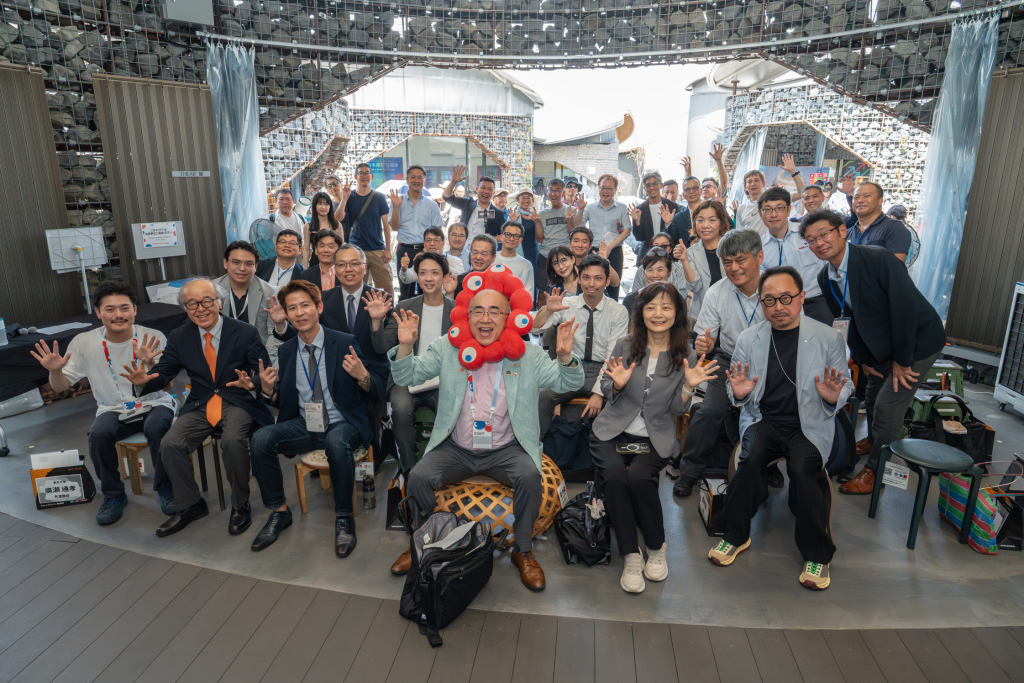
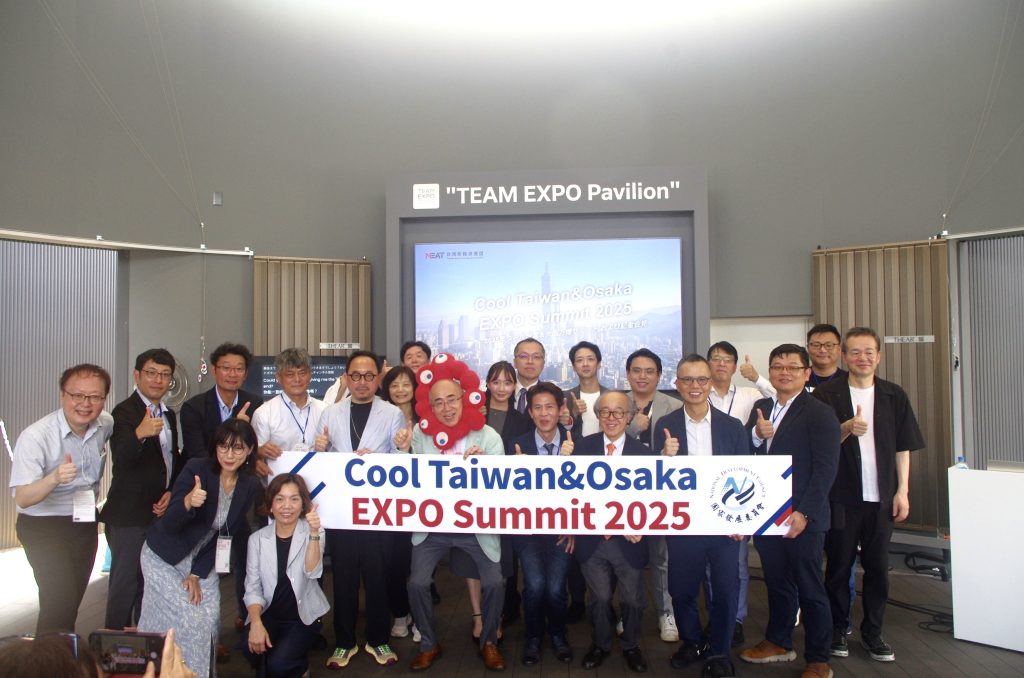
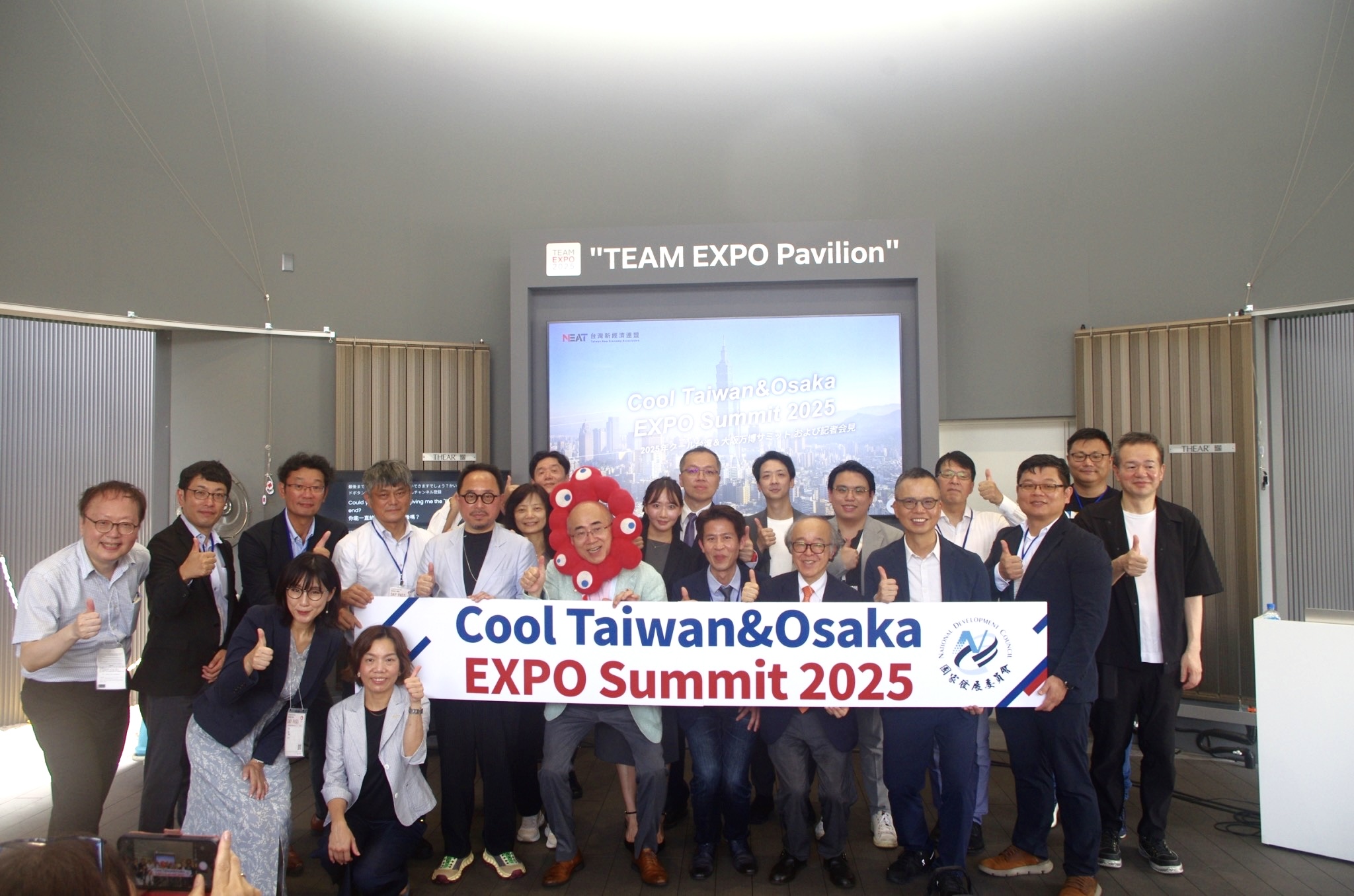
On the globally anticipated stage of the 2025 Osaka Expo, the “Cool Taiwan & Osaka EXPO Summit 2025,” initiated and organized by the New Economy and Social Transformation Policy Alliance of Taiwan (NEAT), was held under the guidance of the National Development Council. In collaboration with the Osaka Convention & Tourism Bureau, Japan’s Ministry of Economy, Trade and Industry, Taiwan Digital Nomad Association, ELECTRON VEXII Co., Ltd., Alion Co., Ltd., SWise JP, and numerous innovative industry teams from Taiwan and Japan, the event made a grand presence in the Expo’s “Future Life Pavilion,” showcasing Taiwan’s innovative strength and international competitiveness.
The afternoon forum focused on three core themes: “Field Applications,” “AI Technology Expansion,” and “6G Communication New Generation.” The distinguished panel included Professor Emeritus Michitaka Hirose from the University of Tokyo, semiconductor expert Professor Megumi Yuda from Mie University, Professor Minoru Nakazawa, Director of the AI Research Institute at Kanazawa Institute of Technology, as well as from Taiwan: Associate Professor and Chair Meng-Hsiang Lin from Ming Chuan University’s Department of FinTech Applications, CEO Che-Min Chung from Action Bagel, CEO Tsung-Lin Tsai from LIHIT Technology, CEO Yu-Min Su from Global Vision, and Japan Customer Manager Ke-Ching Hsiung from Taiwan Intelligent Driving.
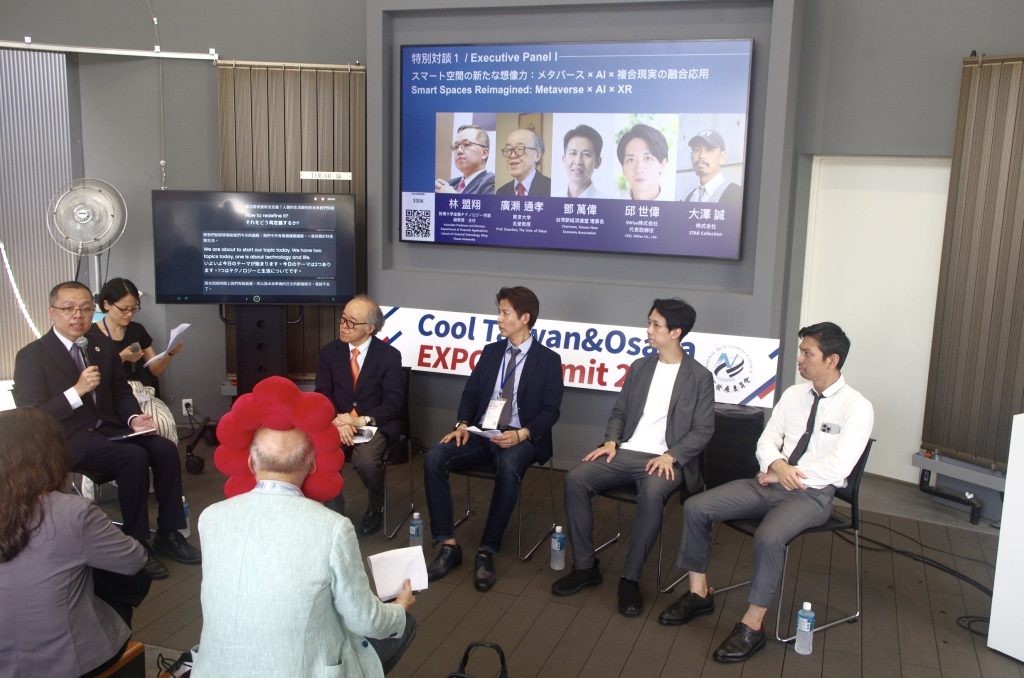
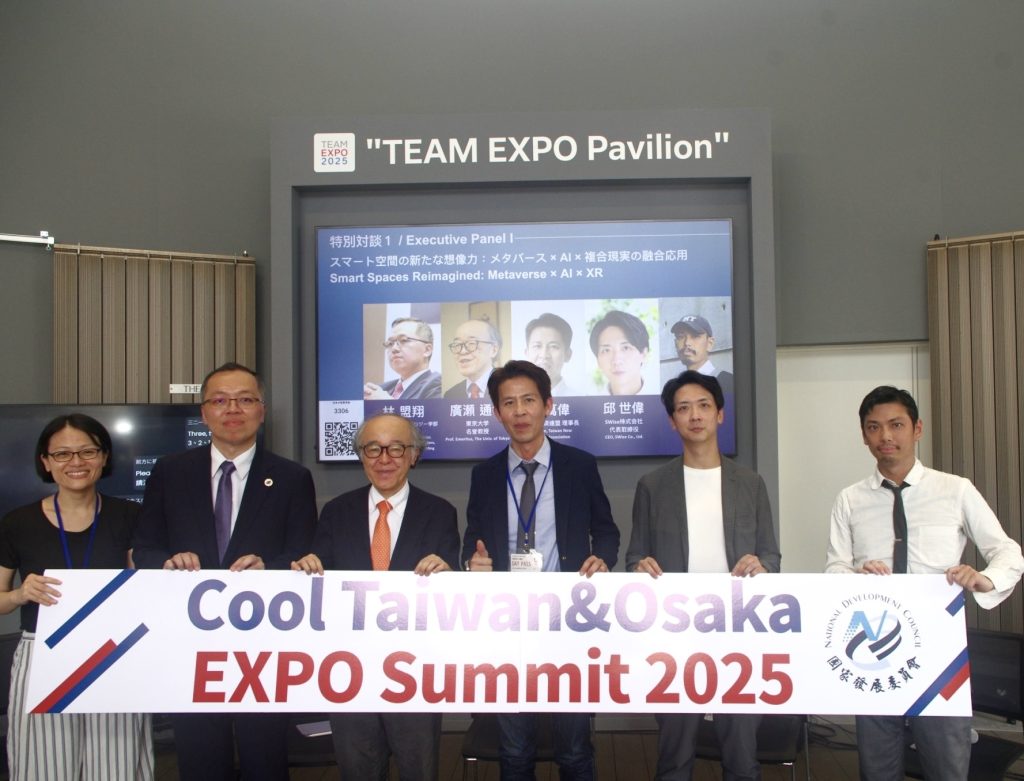
The first forum session was moderated by Chair Meng-Hsiang Lin, joined by Professor Emeritus Michitaka Hirose from the University of Tokyo, Chairman Wan-Wei Teng from NEAT, Representative Director Shih-Wei Chiu, and Makoto Osawa from STAR Collection Co., Ltd. The discussion opened with two topics: Topic 1: Technology × Life: Redefining the Relationship Between Humans and the Future and Topic 2: Industry × Cross-Domain: Taiwan-Japan Co-Creation of Smart Living Blueprint. The discussions covered the following themes: “As AI and the metaverse move from laboratories into daily life, technology is no longer just a tool but an important participant shaping our everyday lives. From virtual interactions to smart workspaces, the relationship between humans and technology is being redefined,” and “Focusing on how technology enters cultural, tourism, and entertainment domains, industry boundaries are being redefined. How will the metaverse and AI integrate with NFTs, virtual performances, digital content, and physical commerce? Through Taiwan-Japan cross-domain collaboration, we envision the complete picture of future smart living.”
In his forum conclusion, Professor Hirose particularly emphasized that the most important aspect of artificial intelligence development is the heart—infusing human soul into emerging technologies like AI. Human-machine symbiosis with mutual learning and growth represents the most complete form of AI. Speakers explored topics ranging from technological foresight to cross-domain collaboration models, deeply examining future industry layouts. The high-density intellectual exchange at the forum not only provided new perspectives on industry development but also offered attendees concrete and actionable directions for collaboration and international strategic vision.
Chair Meng-Hsiang Lin concluded with the following key points: First, technology is neutral; technology always stems from humanity, and human nature influences whether technology develops for good or ill—the human heart determines the quality of technology. Second, how to infuse human soul into emerging technologies—just as Chairman Wan-Wei Teng connects human footsteps with culture and local communities through digital stamp collection, technology can only function with the vitality of humanity. Third, consumer protection in technological development is crucial; technology should not replace humans but rather enable human-machine collaboration, especially under ESG and SDGs initiatives. Taking EXPO 2025 as an example, if visitors’ physical stamp collection exploration could be assisted by technology, preserving both physical and digital records simultaneously, and through the incentive of collecting stamps while traveling between Japan and Taiwan, interactions could become more frequent, facilitating cultural, economic, and financial exchanges. Finally, this event brought together industry, government, academia, and research sectors. From tourism, national development, educational institutions, to consumer protection organizations and groups, a development and communication platform has been established to continue the conclusions of this conference, hoping to deepen and sustain mutual exchanges.